Yolandi and Elfrieda’s sister relationship
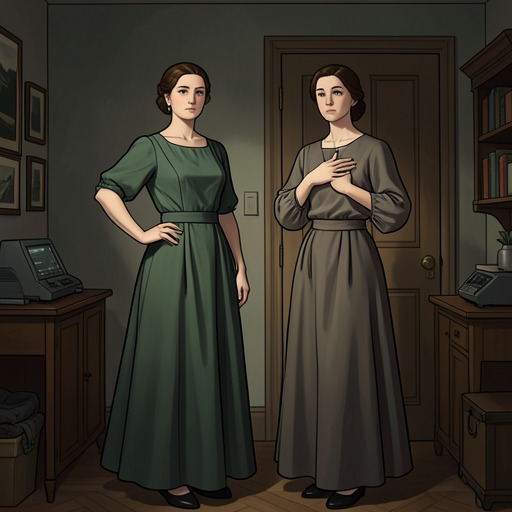
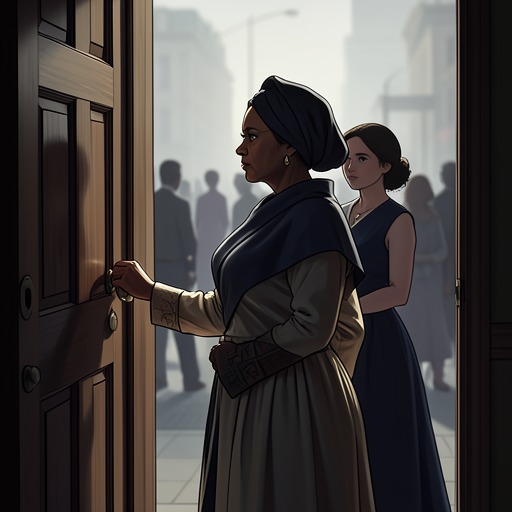
All My Puny SorrowsYolandi and Elfrieda’s sister relationship is the emotional center of their family story: the sisters love and rely on each other, yet are divided by Elfrieda’s wish to die and Yolandi’s determination to keep her alive. Their bond moves between playful intimacy, shared memory, anger, and practical acts of care. It offers neither easy reconciliation nor a simple answer to their conflict; instead, it shows how closely love can bind two people whose needs have become opposed.
Identity and Early Bond
Elfrieda is Yolandi’s older sister. The sisters share the experience of growing up in a family whose history is marked by departure and loss. In the summer of 1979, they watch their family’s old home being carried away on a truck. Elfrieda keeps saying that she can still see it as it travels down First Street and away from them, until at last she acknowledges that it is gone. The scene gives their shared childhood a concrete point of reference: they stand together as a family home, built by their father, disappears from view.
Their closeness is also playful. Elf gives Yolandi the nickname Swivelhead, teasing her habit of looking around for clues about what is happening. The name captures an affectionate familiarity: Elf knows how Yolandi moves through the world, and can make that uncertainty part of their private humor rather than a fault. At the same time, Elf asks her sister to keep writing when Elf is leaving. Yolandi doubts that her ordinary life will provide much to write about, but Elf insists that life does not need to be eventful to deserve attention. She asks for letters and says she is counting on Yolandi. The request makes writing a way to preserve their connection across distance.
Care, Crisis, and Conflict
As adults, the sisters confront the central divide in their relationship. Elfrieda wants to die; Yolandi wants her to live. When Elf stops eating and asks that no doctor be called, Yolandi goes to her bedroom and decides to summon medical help. Their mother withdraws from the decision, unable to support one daughter’s position over the other’s. Elf pleads with Yolandi to change her mind, but Yolandi tells her that help is coming. The episode makes their opposing commitments explicit: Yolandi’s care takes the form of intervention, even when Elf experiences that intervention as a betrayal.
Afterward, in the emergency room, the sisters acknowledge their anger at one another while remaining physically close. They hold each other tenderly despite the medical equipment around Elf. Yolandi understands that Elf hates being kept alive, but she does not withdraw her own position. Their bond therefore cannot be described as simple agreement or uncomplicated comfort. They are loving sisters who have become, in this matter, each other’s adversaries.
Yolandi continues to struggle with that responsibility. During another hospital visit, she cries after sharing a piece of writing whose subject is their sisterhood. Elf reaches out to touch her leg and appears sorry, but does not explain what she means. Yolandi withholds the forgiveness and reassurance she is tempted to offer, turning instead to messages from her children. This pause matters: love remains present, but neither sister can make the other’s pain disappear through a consoling gesture.
Family Roles and Estrangement
A later confrontation changes how Yolandi understands their history. Elf says she had to be perfect so Yolandi could be the one who made mistakes. She also says she was the family member who showed empathy toward their father’s profound sadness. Yolandi rejects the account, arguing that Elf chose to take their father’s side. The dispute is not just about who did what; it exposes different memories of how the sisters learned to occupy their places in the family. Elf sees her perfection and emotional labor as burdens taken on for others, while Yolandi resists being cast as the beneficiary of those sacrifices.
They stop speaking for a long time. The silence is interrupted not by a resolution of their argument but by Elf asking Yolandi to talk to her about anything. The request restores a basic form of companionship: conversation itself becomes something Elf seeks from her sister, even when neither can settle the history between them. Their connection survives the rupture, but it does not erase the accusation or make the disagreement smaller.
Distance also tests their earlier promise to write. Yolandi writes to Elf and wonders when she will receive a reply. In those letters she shares the untidy particulars of her life, her loneliness, and her desire for a closer connection. She also tells Elf that Elf is fortunate to have Nic, and that Nic is fortunate to have Elf. The letters continue the openness Elf had asked for at the airport, but the unanswered correspondence leaves Yolandi uncertain whether the exchange is still mutual.
Competing Futures and Renewed Trust
The conflict becomes especially sharp when Elf asks Yolandi to take her to Switzerland for assisted death. Elf says their mother and Nic cannot know because they would not let her go; she believes Yolandi is the only person who understands. That appeal places unusual weight on the sisters’ intimacy: Elf trusts Yolandi with a plan she wants kept from the people closest to her. Yolandi refuses to take her. Her refusal is not evidence of indifference; it follows from the same conviction that has driven her earlier interventions, that she cannot help Elf bring about the death she seeks.
Their sisterhood also reappears in quieter acts of attention. After Elf’s later suicide attempt, Yolandi and Julie sit beside her in intensive care and hold her hands. With a breathing machine supporting her, Elf communicates through small gestures; Yolandi tries to understand what she wants, and Julie recognizes that Elf is asking for her glasses. The scene places care in the effort to notice and interpret, rather than in a claim that the sisters can say everything that needs saying. Yolandi is relieved that Elf wants something to see. Even amid fear, a particular request becomes a point of contact.
Continuing the Bond
During a family gathering in the hospital, the sisters join their mother, Sheila, and Uncle Frank in singing. Yolandi begins to cry, then stays behind and tells Elf it is time to fight. Elf responds that she has been fighting for thirty years. Her answer marks the limits of Yolandi’s encouragement: what sounds to one sister like an appeal to keep going sounds to the other like a demand to continue a struggle already endured for decades. Yolandi asks whether Elf is leaving her to fight alone, but Elf does not answer.
Yolandi then takes Elf’s hand and says she has a plan. The moment renews their practical alliance without resolving what the plan entails or whether they now share the same understanding of the future. Across the relationship, gestures and requests repeatedly carry what words cannot settle: an arm pulled close, a letter awaited, a hand held, a need for glasses recognized. The sisters remain bound not because they reach agreement about life and death, but because each continues to turn toward the other, even when that turning brings anger, fear, or silence.